
Browse our primary technical collection of containment systems, environmental chambers, and heavy-duty laboratory furniture.
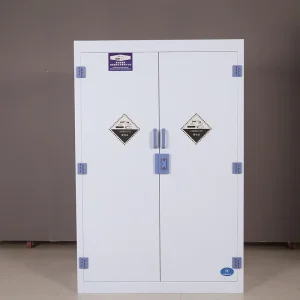
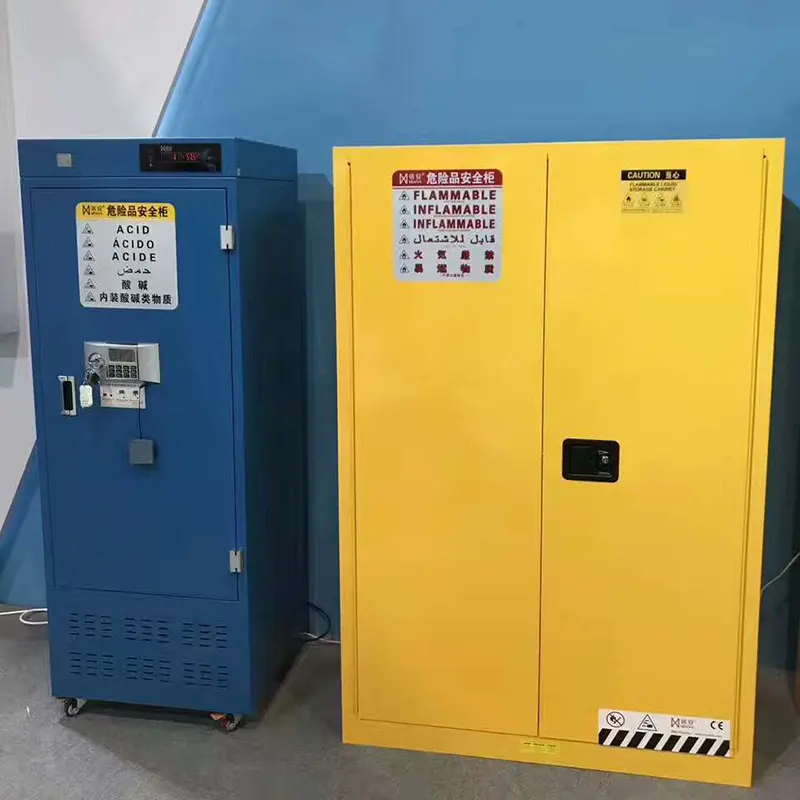
Corrosion-resistant containment solutions designed for aggressive chemical storage.
View Details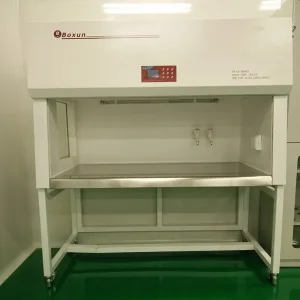
Laminar flow benches creating ISO Class 5 sterile workspaces for diagnostics.
View Details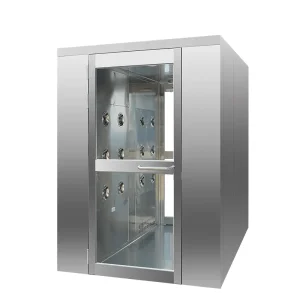
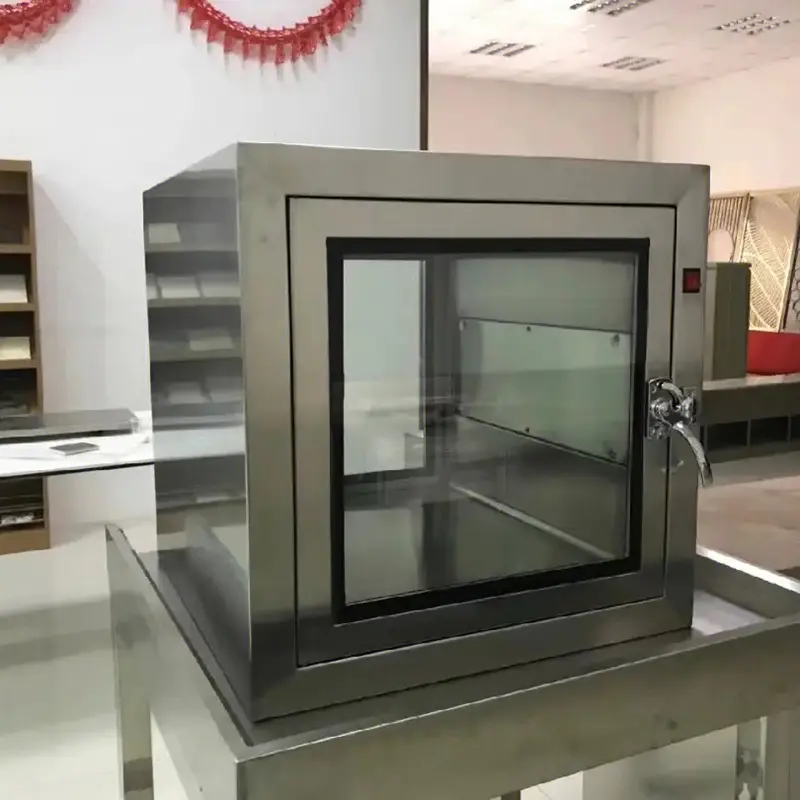
Static and dynamic pass-boxes ensuring contamination-free material transit.
View Details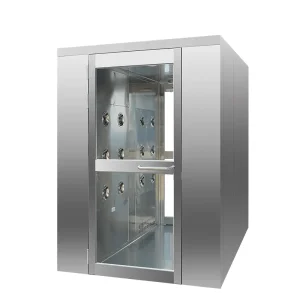
Automated personnel decontamination systems for cleanroom boundary control.
View Details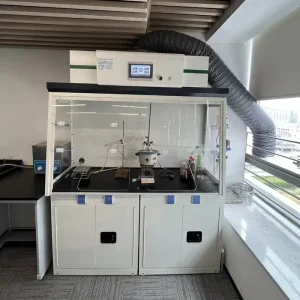
Ductless carbon filtration units capturing hazardous chemical fumes locally.
View Details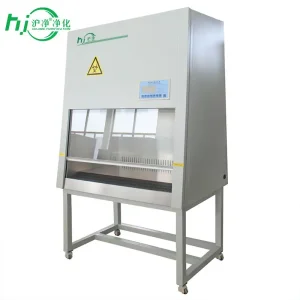
Class II A2 containment systems protecting operator, sample, and environment.
View Details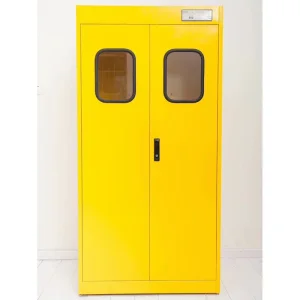
Explosion-proof structural storage designed for pressurized industrial cylinders.
View Details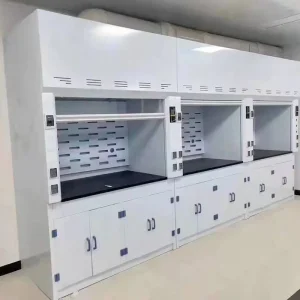
High-performance bypass exhausting systems for dangerous organic reactions.
View DetailsIn highly regulated scientific environments, selecting the appropriate seating infrastructure is directly tied to experimental accuracy, occupational health safety (OHS), and contaminant control. Industrial laboratory stools are not standard office furniture; they are critical engineering controls designed to mitigate physical stress while upholding the sanitization protocols of biological, chemical, and microelectronic environments.
When purchasing from a certified laboratory stools manufacturer & supplier, procurement officers must evaluate multiple material variables. For instance, in cleanrooms certified under ISO 14644-1, seating must not generate particulate matter. Traditional cushioning materials degrade under mechanical friction, releasing micro-particles that compromise cleanroom environments. High-density, self-skinning polyurethane (PU) or sealed antimicrobial vinyl are the standards required to withstand aggressive sterilization agents like isopropyl alcohol (IPA) and hydrogen peroxide.
Furthermore, Electrostatic Discharge (ESD) represents a critical hazard in microelectronics assembly and bio-sensor fabrication. An ESD-compliant laboratory stool incorporates conductive pathways, ground chains, and static-dissipative upholstery to direct electrical charges safely to the floor, preventing damage to sensitive microscopic arrays.
| Stool Category | Material Configuration | Compliance Standards | Primary Application Area |
|---|---|---|---|
| ESD Polyurethane | Conductive PU, Grounding Chain, Metal Casters | EN 61340-5-1, ANSI/ESD S20.20 | Semiconductor Lab, Electronics Assembly |
| Cleanroom Vinyl | Sealed Vinyl, Internal HEPA Filter, Chrome Base | ISO 14644-1 (Class 10 - 100) | Biotech Cleanroom, Pharmaceutical Prep |
| Stainless Steel | Grade 304/316 Stainless Steel, Electropolished | GMP Grade A/B, Wet Washdown | Pathology Labs, Sterile Surgical Prep |
| Heavy-Duty Lab Stool | Nylon base, reinforced gas cylinder, foot ring | ANSI/BIFMA X5.1 | General Chemistry, Academic Labs |
How regional manufacturing standards and global B2B supply lines affect lab design and procurement strategies.
The global demand for high-performance laboratory equipment has experienced rapid growth, driven by expansion in the biotechnology sector, clinical testing infrastructure, and the localization of semiconductor manufacturing. Industrial laboratories require durable components that minimize the cost of replacement cycles. A key element of this infrastructure is the laboratory stool, which supports researchers during long shifts at the workbench.
In North America and Europe, purchasing is dictated by strict adherence to ANSI/BIFMA safety criteria and OSHA workplace standards. Seat adjustment mechanisms, load capacities, and ergonomic design are heavily regulated. In these markets, laboratory planners seek suppliers capable of providing documentation verifying that their materials do not outgas volatile organic compounds (VOCs) that could alter air purity in cleanroom zones.
As a leading center of industrial manufacturing, China hosts comprehensive production ecosystems like Nantong Jinzonian. Our facilities leverage integrated material supply networks to deliver high-quality scientific products at competitive price points. By coupling direct-from-factory production with international testing certifications, we ensure that global research centers receive durable laboratory furniture built to last.

Nantong Jinzonian Experimental Equipment Co., Ltd. is a high-tech enterprise specializing in the research, development, production, and sales of laboratory equipment and furniture. Headquartered in Nantong City, Jiangsu Province, our modern production workshops cover an area of approximately 10,000 square meters, equipped with advanced manufacturing systems.
We manufacture laboratory equipment, laboratory furniture, and laboratory consumables. Our products are widely used in pharmaceuticals, chemical processing, biotechnology, environmental protection, and scientific research institutes globally.
Discover our most sought-after safety cabinets, fume control hoods, and cleanroom workbenches.
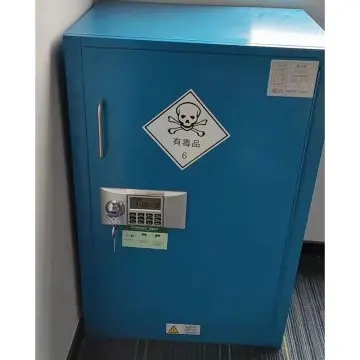
Product name: 45-gallon flammable liquid fire safety cabinet. Model: AYT045Y. Material: High-grade double-walled steel construction for ultimate containment.
Technical Sheet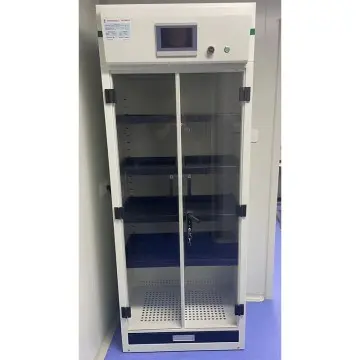
Product model: JQXYPG. Dimensions: Available in 800*510*2080mm and 1600*510*2080mm options. Features carbon filtration for volatile medicines.
Technical Sheet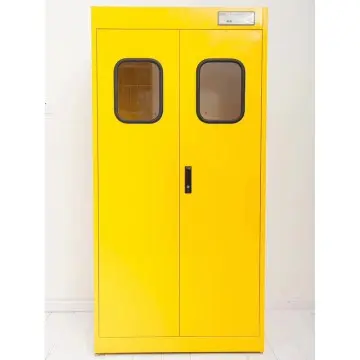
Specifications: 900*450*1900mm. Purpose: Designed to improve local exhaust ventilation and ensure containment of pressurized gases.
Technical Sheet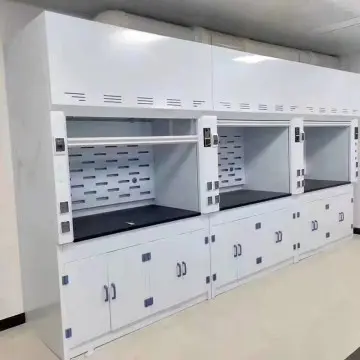
Dimensions: 1500*850*2350mm. Color: White, blue, off-white. Materials: All steel, stainless steel interiors, or polypropylene options.
Technical Sheet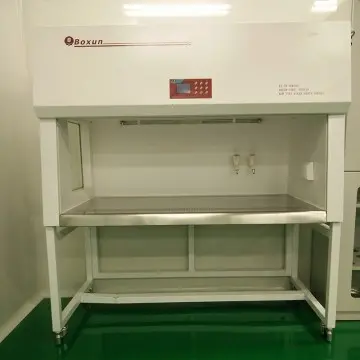
Product model: SW-CJ-1FD. This equipment is widely used in biopharmaceutical research, clinical testing, and microelectronic manufacturing.
Technical Sheet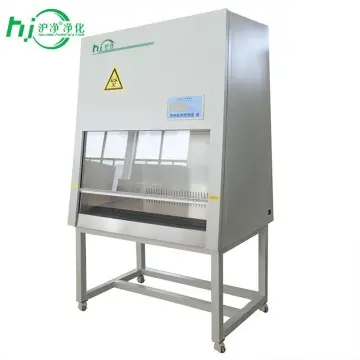
Product model: BSC-1000IIA2. Standards: Complies with strict international containment standards, safeguarding the user and workspace.
Technical SheetUnderstanding how laboratory design and seating needs change based on specific workspace tasks and regulations.
Laboratory equipment and furniture configurations vary significantly depending on the application. A standard laboratory stool is adapted with specific modifications to suit diverse environments:
In sterile environments, biological containment is paramount. Seating surfaces must be non-porous and resistant to autoclaving or strong disinfectants. To prevent particulate dispersion, cleanroom stools are designed with sealed pneumatic cylinders that do not displace air during height adjustments. Furthermore, castors must feature dust-hooded assemblies to prevent particle generation from friction.
Spills are common in chemistry labs. Stool upholstery must resist degradation from solvents, acids, and bases. Integral skin polyurethane (PU) offers excellent chemical resistance, enabling simple cleanups without structural degradation. In contrast to fabric models, PU resists liquid absorption, preventing long-term retention of hazardous chemical residues.
In high-traffic student laboratories, durability and safety are key. Seating must withstand heavy use and accommodate various physical body builds. Stools require wide, stable bases—typically five-star designs—equipped with glides or self-braking casters to prevent accidental tipping.
Why leading global research institutes and industrial labs partner with Nantong Jinzonian.

We partner with top-tier universities to design and manufacture scientific equipment with independent intellectual property rights.

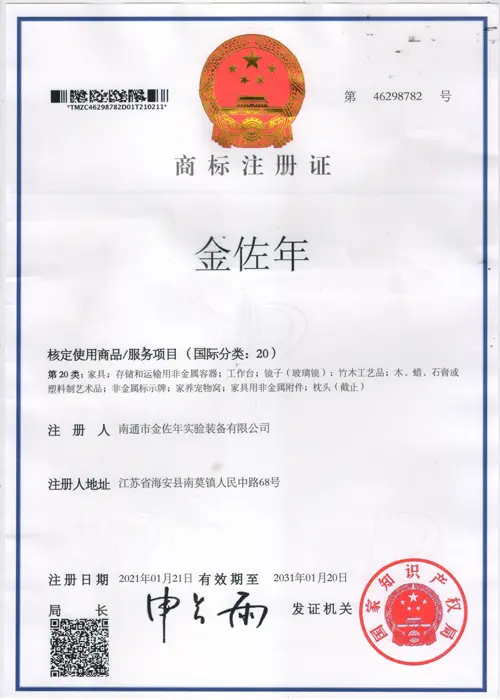
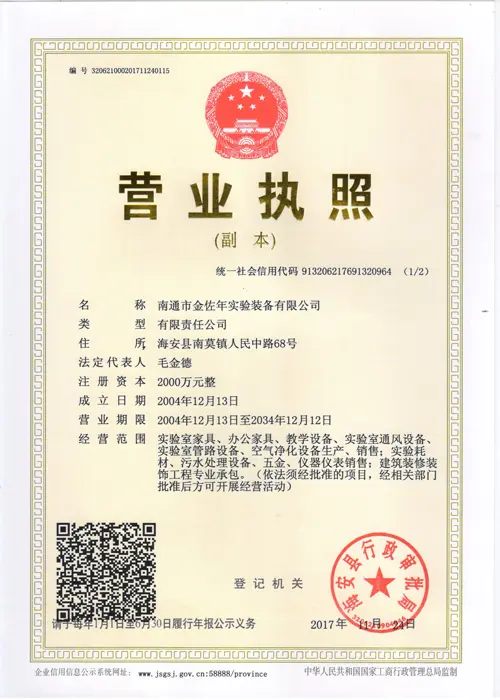
Jinzonian holds comprehensive ISO certifications, ensuring all production procedures adhere to international quality benchmarks.

We work to enhance our service delivery and support capabilities, ensuring reliable long-term performance for our clients.
Our compliance achievements highlight our focus on providing reliable industrial products.
The development of laboratory seating, focusing on cleanroom safety, ESD control, and ergonomic support.
Driven by smart technologies and environmental standards, modern laboratory environments are evolving rapidly. Future seating designs will aim to improve researcher comfort and posture during long laboratory tasks.
Future laboratory stools may integrate load sensors within the seat pan to monitor user posture. These sensors can notify researchers of long periods of static sitting, helping prevent fatigue during intensive activities like pipetting or microscopy.
In line with global sustainability trends, next-generation cleanroom furniture will increasingly utilize bio-based polyurethane and recyclable composite structures. These materials are designed to match the chemical resistance and particle-free performance of traditional plastics while reducing environmental footprint.
Next-generation electronic research requires enhanced ESD control. Future stool designs will incorporate self-monitoring grounding paths that continuously verify the system's resistance to earth, providing alerts if ground contact is interrupted by dust or floor wear.
Expert technical answers to assist in selecting laboratory seating and equipment.
Stay updated on laboratory design trends, regulatory changes, and manufacturing advancements.

Explore our full line of laboratory containment, storage, and cleanroom air systems.
Corrosion-resistant containment solutions designed for aggressive chemical storage.
View Details
Laminar flow benches creating ISO Class 5 sterile workspaces for diagnostics.
View Details
Static and dynamic pass-boxes ensuring contamination-free material transit.
View Details
Automated personnel decontamination systems for cleanroom boundary control.
View Details
Ductless carbon filtration units capturing hazardous chemical fumes locally.
View Details
Class II A2 containment systems protecting operator, sample, and environment.
View Details
Explosion-proof structural storage designed for pressurized industrial cylinders.
View Details
High-performance bypass exhausting systems for dangerous organic reactions.
View Details